Fun Facts About Clean Energy – SDG 7
- Clean EnergyClimate ActionEnergy FinanceNet Zero
- September 10, 2022
Many countries across the globe are moving towards creating affordable, reliable, clean energy (United Nations, 2015) in line with the United Nations Sustainable Development Goals. This drive comes from the call to action from multiple COP meetings and legal instruments. SDG 7 drives to ensure access to affordable, reliable, sustainable and modern energy for all future generations of citizens.
Clean Energy
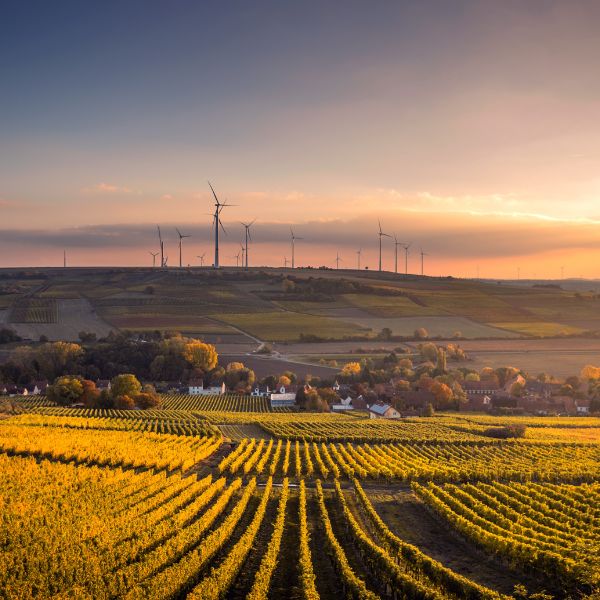
Clean energy refers to energy that is produced from sources that neither release air pollutants nor have a negative impact on the environment.
Often when we hear clean energy we also hear of renewable energy. Renewable energy refers to energy or electricity that is generated from sources that get replenished constantly. Examples of these are wind and solar energy.
Using solar-powered water systems for pumping and irrigation is quickly becoming more sustainable for citizens. This reduces walking and waiting times, and can make water readily accessible to schools, health-care facilities and entire communities.
Clean energy which comes from natural sources has the benefit of preserving natural resources that help reduce the worlds pollution levels whilst also reducing the use of fossil fuels which are known for increasing greenhouse gases and increasing the risk of environmental disasters. Now let’s look at a few fun facts.
Fun Facts About Modern Clean Energy
- Not all clean energy sources are renewable energy sources
- Clean energy will never run out
- Clean energy reduces the number of deaths
- 98.4% of Norway’s energy comes from renewable sources
- Clean energy sources like solar and wind can be used to create drinking water
Wood burned from sustainable forests releases carbon dioxide which is a source of air pollution and although this is renewable it is not clean therefore cannot be categorised as clean energy. The same applies to sustainable-labelled wood used in products that utilise methods that enable deforestation.
Natural resources such as the sun and wind are available in abundance and as such will always be available to keep making more energy unlike fossil fuels which are depleting daily.
Air pollution is one of the contributory causes to the deterioration of the earth’s atmosphere, which has an adverse affect on the earths climate change. Switching to clean energy sources could prevent 4 to 7 million deaths resulting from air pollution yearly.
Norway is one the largest clean energy producers with clean energy making up 98.4% of their energy supply. The citizens of Norway get to enjoy the benefits of having affordable, clean, energy and improved quality of life.
Water scarcity affects many countries with an estimated 785 million people being affected globally. In Africa it has been estimated that 1 in 3 African citizens are affected by lack of access to clean drinkable water. One innovative solution is the use of solar-powered water systems. These systems utilise the sun in order to evaporate dirty or salty water and condense the vapour into safe drinkable water.
References
About us
We provide products and services that make your transition into sustainable living accessible, affordable, and convenient. Explore our range now.
Hub Resources
Most Recent Posts
- All Post
- Clean Energy
- Clean Lifestyle
- Climate Action
- COP 28
- Eat Well 🌱
- Electric Vehicles
- Energy Finance
- Energy Transition
- FAQs
- Green Jobs
- Live Well 🌱
- Net Zero
- Sustainability Champions
- Sustainable Communities



Download Our E-Mag
Sustain Hub 🌱
New issue out now!
Sustainable Living Made Easy. Get practical tips, insights, and inspiration to live greener. Download your copy now and start making an impact!
Subscribe
My Cart
Shop Clean
-
Hot
 Quick View
 -
Hot

 Quick View
Meteocontrol Compact weather station
Golf R106,500.00 – R109,500.00Price range: R106,500.00 through R109,500.00 Incl. VAT -
Hot

 Quick View
 -
Hot
 Quick View
 -
Hot

 Quick View
 -
Sale!Hot
 Quick View
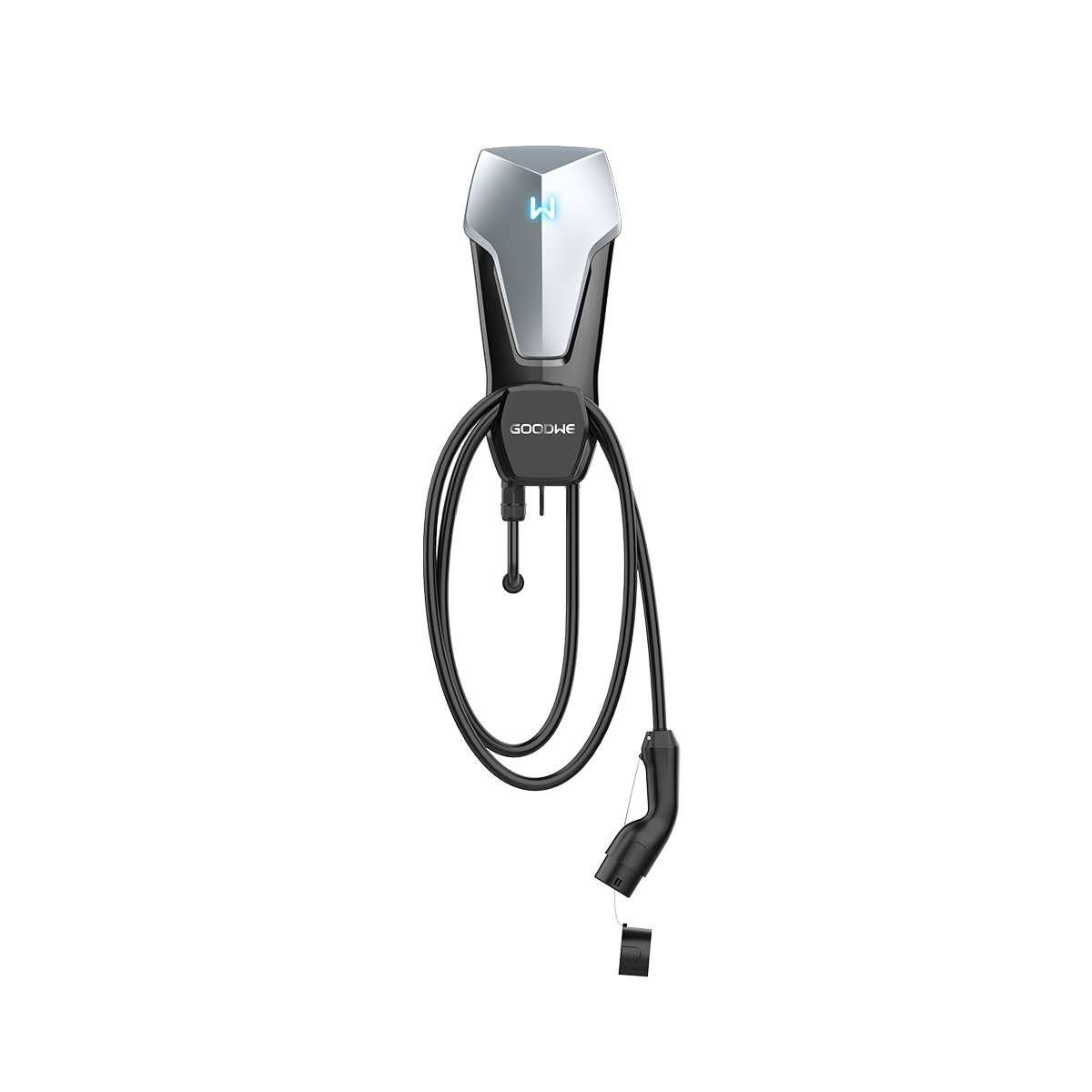
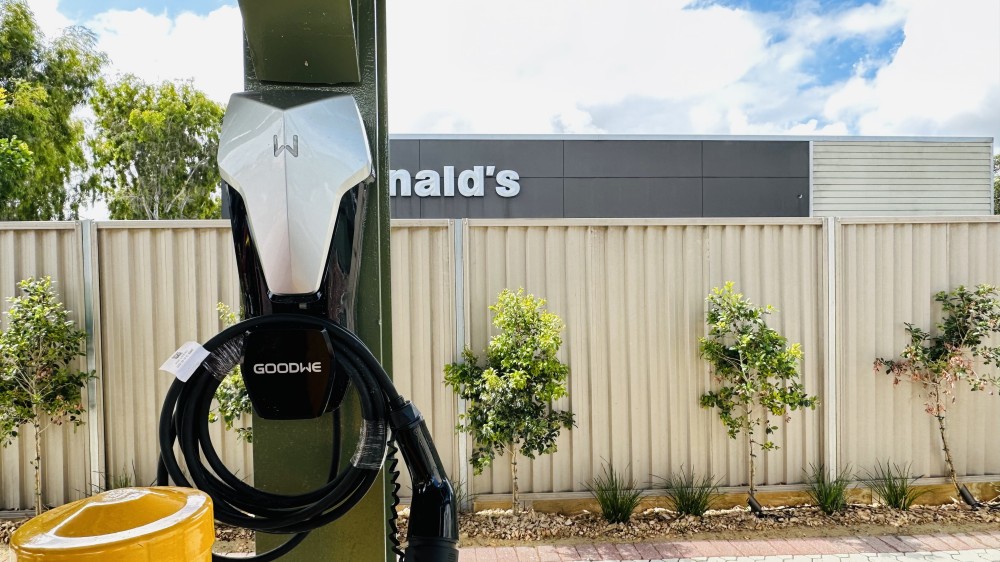
Goodwe 22kW EV Charger
Electric VehicleR15,000.00Original price was: R15,000.00.R12,000.00Current price is: R12,000.00. Incl. VAT